Proportion is personal
Made for the way women move.
Plus-size development is about the relationship between measurements, shape and movement. It is more than scaling up a smaller garment.
Discuss your collection01
Begin with the right measurements
Body measurements describe the wearer. Garment measurements describe the finished item. Keep them in separate tables and record the method, unit, reference size and intended wearing ease.
02
Review balance, not just circumference
Review shoulder placement, bust room, waist position, hip room, armhole comfort and movement. Agree the fit intent for each style; a relaxed blouse and a tailored coat do not use the same allowance.
03
A style-specific size chart
S–8XL describes overall development capability. Request the style-specific size chart from Ada and agree any US size mapping before development.
04
Confirm with the sample
Use your target size distribution and fit feedback to agree the sample review. Record each requested change before approving the production specification. Confirm any grading and tolerance requirements in writing.
Measurement converter
A unit tool, not a product size chart. Approved style measurements are pending.
Shoulder
Bust
Waist
Hip
Armhole
Movement
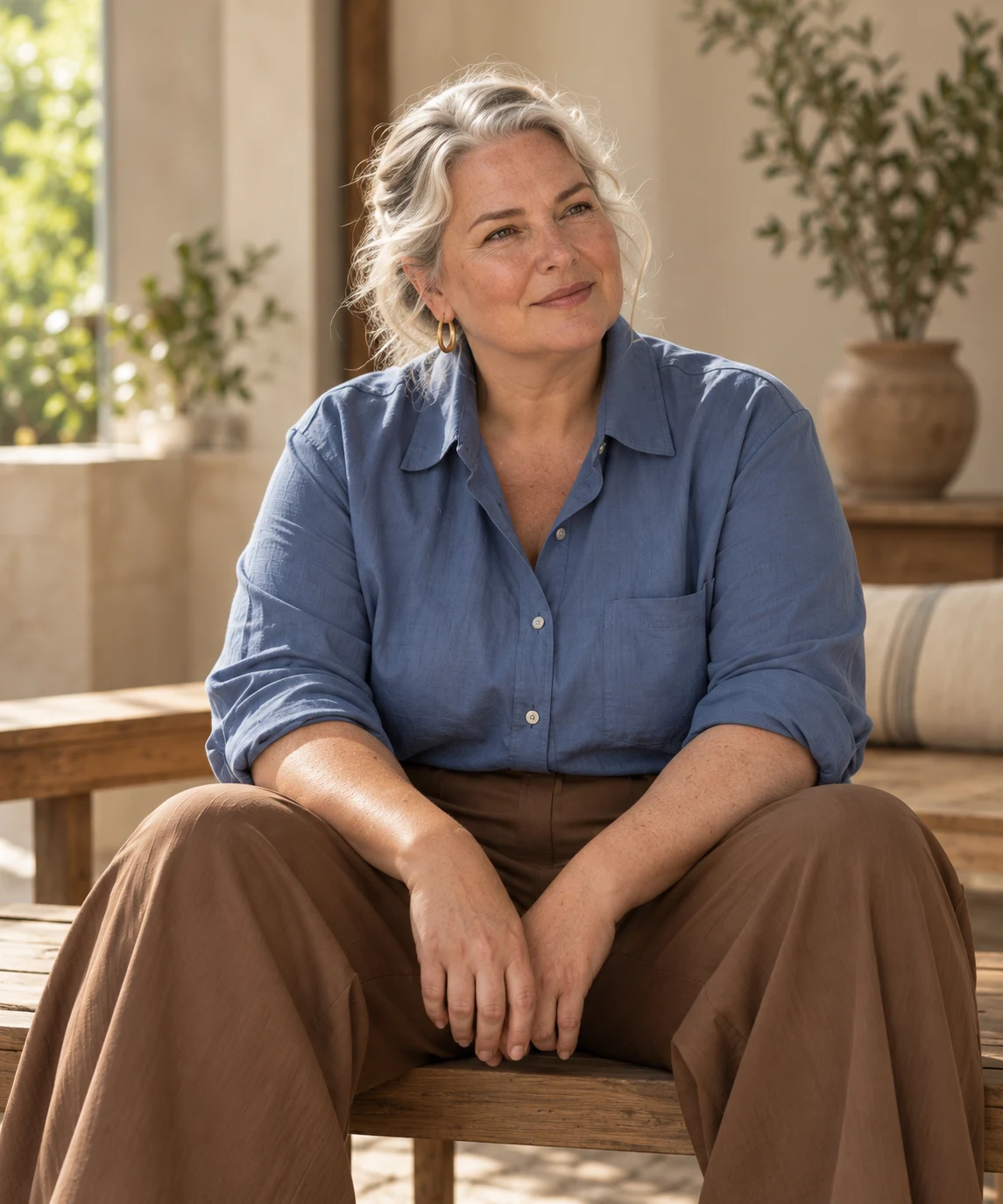
Shoulder balance
SIX POINTS OF ATTENTION
Fit is a conversation.
Review seam placement and the relationship between shoulder width and sleeve movement.
Check front length, closure comfort and wearing ease against your approved body and garment measurements.
Agree the position and construction of the waist, then assess comfort while sitting as well as standing.
Review the silhouette and movement allowance without assuming that every body has the same proportions.
Consider armhole depth, sleeve width and reach together during the sample fitting.
Sit, reach and walk in the sample. Record feedback before approving the graded specification.