Two tables, two purposes
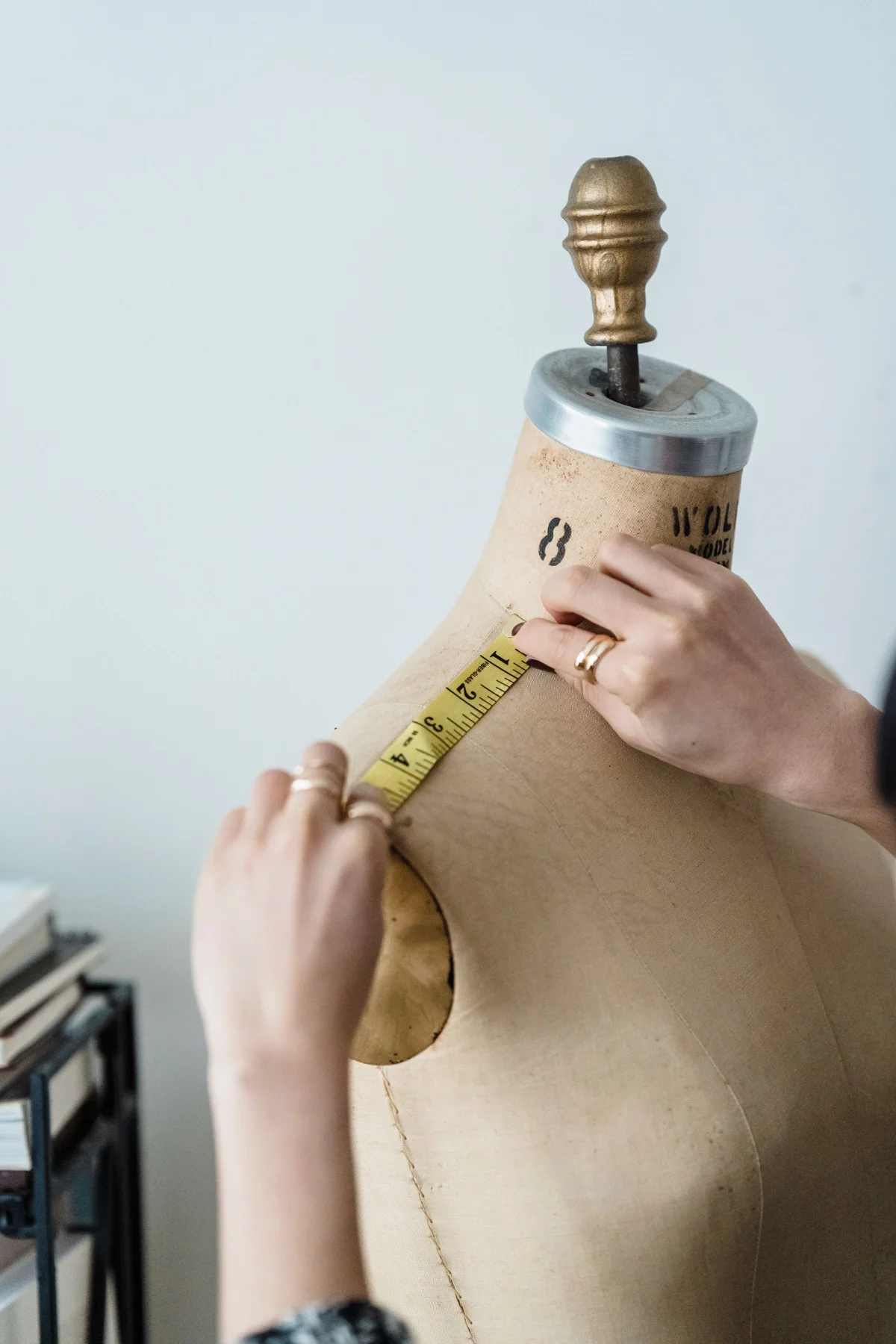
A body chart helps define the intended wearer. A garment chart specifies what must be made and checked. Record the measuring point, method and unit. Identify whether a flat width or a full circumference is being recorded.
Understand ease in context
Ease is the relationship between the garment and body at a relevant point. The intended silhouette, fabric stretch and movement affect the choice. Do not apply one fixed allowance to every garment category.
Do not infer a size from its label
A letter size is not a universal measurement standard. Obtain the supplier’s approved chart and compare it with your own customer requirements. Keep US numeric labels distinct from letter sizes until a verified mapping is supplied.
Keep units consistent
One inch equals 2.54 centimetres. Convert from the original value and avoid repeatedly rounding converted figures. State any permitted tolerance separately from the size value. Our unit calculator demonstrates conversion; it is not a product size chart.
Approve the result on a sample
Review shoulder, bust, waist, hip, armhole and movement together. Annotate fit feedback so it can be translated into a specification change. Final values should come from the approved product documentation.