Key takeaways
- Name the decision attached to every sample.
- Use versioned references rather than informal approval messages.
- List open conditions explicitly before bulk release.
Give each sample a purpose
A development sample may explore silhouette. A fit sample may focus on proportions. A pre-production reference should make clear which production choices it represents. The exact terminology can differ between businesses, so agree the meaning rather than relying on a familiar label.
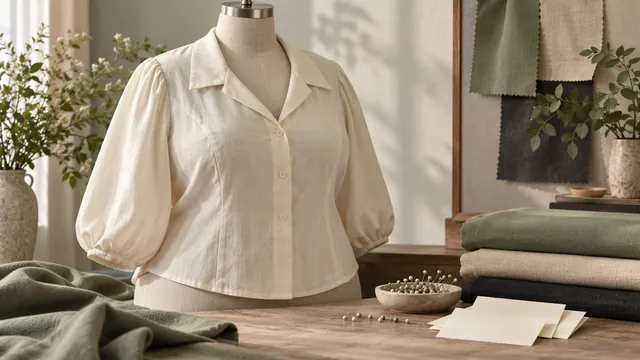
If the sample uses substitute fabric or temporary trims, mark them as such. A buyer may approve a pattern direction without approving the substitute as the bulk material. The approval record should preserve that distinction.
Create a decision register
For each gate, list the evidence, decision owner and remaining questions. Avoid a blanket “approved” when only some elements have been reviewed. For example, fit may be accepted while shade, labels and packaging remain pending.
Tie comments to a sample identifier and revision. A photograph without a version can be forwarded repeatedly and mistaken for the latest reference. Ask both teams to confirm which physical sample they retain and how its specification matches the digital record.
Keep a change from bypassing the process
After fit approval, a material substitution can change drape or movement. A revised label can affect contact comfort or placement. A new closure can alter the assembly. Decide whether the change needs a full sample, a component review or another form of evidence; do not treat the previous approval as unlimited permission.
Record the commercial effect at the same time. Extra sampling or a changed component may affect price and schedule. The buyer should make that decision before production proceeds, not discover it during inspection.
Use a clear release package
A useful release package contains the current specification, approved material and colour references, sample comments, label artwork, packing requirements and agreed quality criteria. The package should identify unresolved items and whether any are allowed to remain open.
A hypothetical release note might approve fit version three but prohibit cutting until the final fabric is confirmed. That is more precise than an email saying the sample looks good. It also gives the production team a clear stop condition.
Do not confuse an approval with a guarantee
An approved reference guides production; it does not prove every bulk piece matches it. Inspection and process controls still have a role. Likewise, a sample photograph is not evidence that a particular test was performed.
FORMIVA’s sample and production timing must be confirmed for the actual brief, including start conditions and transport. Build time for decisions into your plan. A sample that arrives quickly is not a fast development process if comments remain unresolved for weeks.
Give each approval a limited, explicit scope
Use an approval record that names the sample and the decision being made. A fit sample may use substitute fabric for an early shape discussion; if so, state which observations remain provisional. A colour approval may confirm appearance without authorizing the final garment construction. Keeping these boundaries visible prevents one approval from being stretched beyond its evidence.
For each stage, record the approved attributes, unresolved attributes and conditions for moving forward. Avoid a single checkbox that says “sample approved” when different teams are approving different things. A buyer may accept the silhouette while asking for a revised label or confirming that material testing is still pending.
Identify the production reference that will govern bulk. It should be possible for a person who did not attend the development meetings to locate the correct sample, specification and artwork. If these references disagree, resolve the conflict before release rather than asking production to choose the most recent-looking file.
Manage a late trim change as a controlled exception
Suppose a hypothetical approved blouse uses a button that later becomes unavailable. A similar-looking replacement is not automatically equivalent. Check dimensions, colour, attachment and any effect on use or care. Decide which evidence is sufficient for the particular change and who can approve it.
The updated record should identify the replaced item and the new reference. If a full new sample is unnecessary, document the narrower approval method rather than implying that the original sample contains the new trim. Keep the change visible to inspection and packing teams where relevant.
Also consider schedule consequences. A supplier should not be encouraged to make an unapproved substitution simply to preserve an earlier date. Ask for options with their implications and make a documented decision. Approval gates are useful because they clarify responsibility; they become counterproductive if they are treated as paperwork that can be bypassed whenever a change is inconvenient.
Decision checklist
| Gate | Primary question | Do not silently approve |
|---|---|---|
| Development | Is this the intended direction? | Final production materials |
| Fit | Does the sample meet the fit brief? | All colours and sizes |
| Pre-production | Is this the agreed production reference? | Unlisted substitutions |
| Bulk release | Are conditions closed? | Untested claims |
Frequently asked questions
Can fit and pre-production approval happen together?
Yes when the sample and evidence genuinely cover both, but record both decisions explicitly.
Does approval by photo count?
Only for the elements you can responsibly evaluate that way; state the limitations.
Who owns a late change?
Name the proposer and approval owner, then record the technical and commercial consequences.
Should old samples be discarded immediately?
Retain references needed to understand revisions and disagreements until the project’s retention plan permits otherwise.
Sources & scope
This article is an editorial procurement framework, not a market survey or a claimed test result. Confirm order-specific requirements with your supplier.
How we review and correct articlesYour next step
Discuss the sampling approval path →For your collection, confirm the style’s size chart and specifications. S–8XL is an overall development range, not a US size conversion.
Browse styles · Development services