Key takeaways
- Use matching measurement levels when comparing body and garment.
- Distinguish silhouette volume from room needed for movement.
- Evaluate the lining and closure, not only the outer fabric.
Make the intended wearing condition explicit
A garment may be worn over underwear, a light top or a more substantial layer. Each condition changes the question being asked. Describe the intended layer, season and activity before discussing numbers. A photograph of someone standing with arms relaxed cannot establish whether the same garment will work during seated office use or while reaching for a shelf.
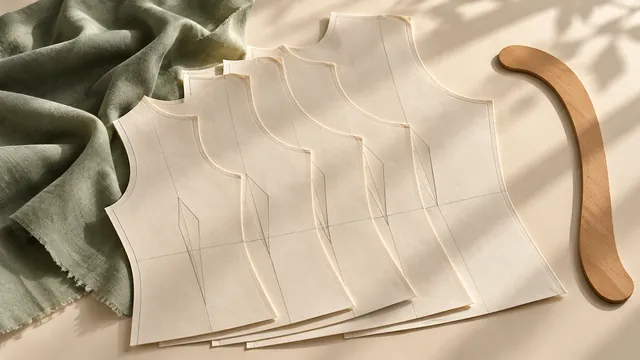
Body and garment values must describe corresponding locations. A flat garment width and a full body circumference are not directly interchangeable. If the measurement position moves down the body between fittings, the comparison becomes unreliable even when the units match. See the existing body-versus-garment guide for the measurement distinction; this article focuses on the decision about allowance.
Separate appearance from function
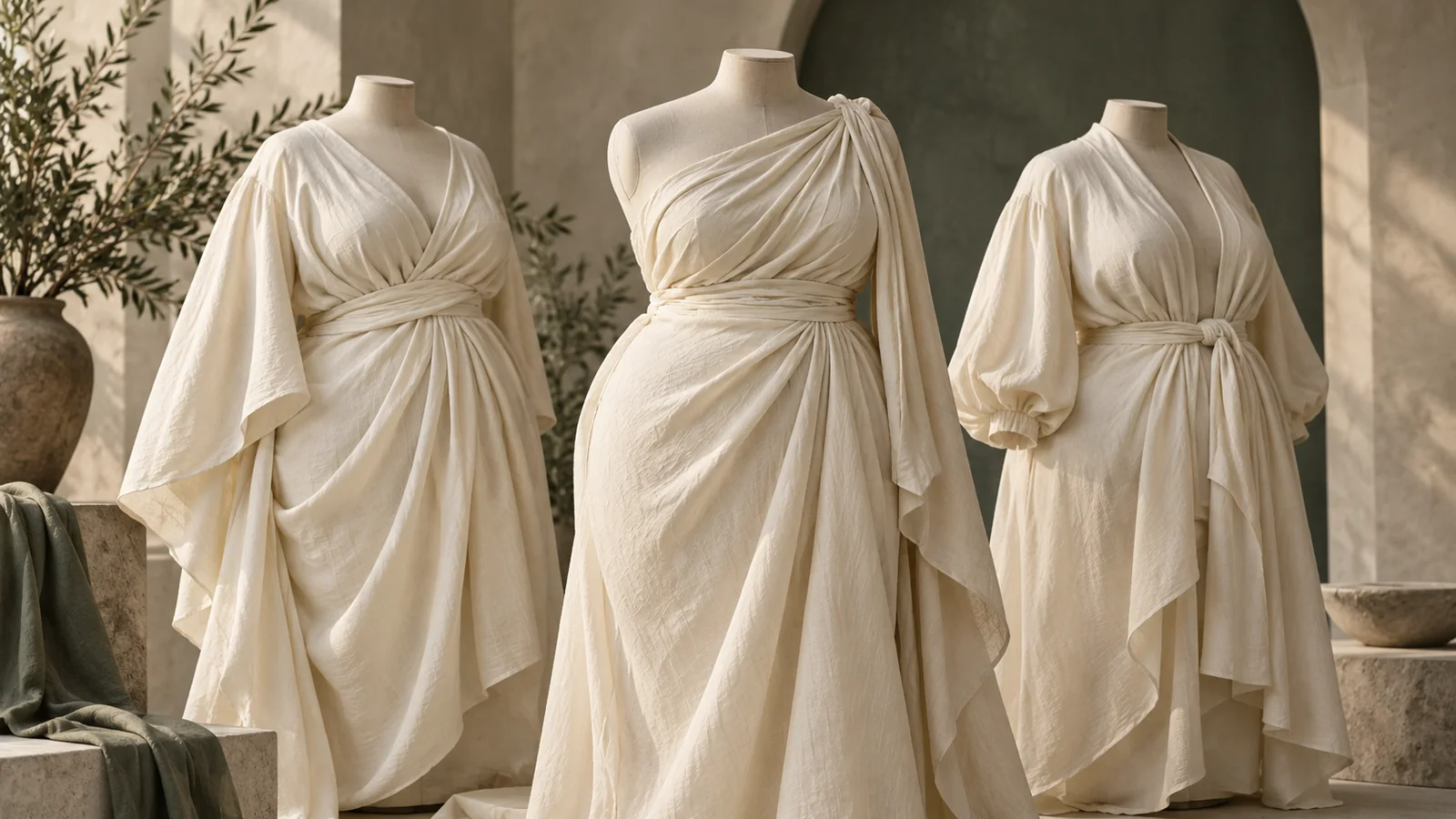
Design ease creates a silhouette: generous sleeves, a relaxed torso or a flowing skirt. Movement allowance supports the intended actions. They interact, but more visible volume does not guarantee comfort. A loose body with a tight upper sleeve can still restrict reach. A flowing dress can still pull at its lining or closure.
Avoid treating the wearer’s body as a problem to conceal. Record comfort, coverage and movement using neutral language. A participant may prefer a close silhouette or more room; neither preference is a technical defect. The buyer’s job is to make the intended preference clear and test the resulting garment consistently.
Turn the brief into a short movement review
Select a few actions relevant to the style. For an everyday blouse, consider sitting, reaching forward and lifting an arm to a comfortable height. For trousers, include sitting and walking; for a dress, consider the hem and closure during those movements. Ask participants where they feel pressure or unwanted exposure rather than relying only on photographs.
Record the action, location, observation and whether it returns to its original position afterward. If a hem stays displaced, investigate the cause instead of simply adding length. Keep fitting garments, underlayers and sample condition consistent enough that comparisons remain meaningful.
Use numbers as controlled examples
Imagine a hypothetical garment circumference of 120 cm compared with a corresponding body circumference of 112 cm. The arithmetic difference is 8 cm. That calculation alone does not prove a suitable fit: it says nothing about the distribution of the allowance, fabric extension, posture or personal preference. It is an example of documentation, not a recommended size specification.
Stretch constructions may use different relationships, but negative ease must never be prescribed solely from fibre composition. The material and seams need to support the intended extension without unacceptable pressure, distortion or loss of coverage.
Agree what would trigger another sample
A changed lining, a stiffer interfacing or a different closure may alter comfort without changing the headline measurements. Define these as review triggers. Retain the approved sample so the team can compare movement as well as dimensions. Coats: Soft and Secure Seams identifies several seam-design considerations; our suggested review process is editorial guidance, not a tested performance claim.
Before committing to bulk, make the approval precise: the material reference, garment revision, intended body chart, layers and reviewed actions should be identifiable. A useful ease specification is not a universal promise to fit everyone. It is a clear, testable decision for a defined garment and customer.
Write a wearing brief before choosing allowance
A practical brief describes the customer’s intended use without assigning one preference to an entire body type. For a work blouse, specify whether it is intended to be tucked, worn loose or layered under a jacket. For a relaxed dress, identify the desired coverage when seated and the kind of underlayer expected. These decisions influence where volume is useful and where excess material may be inconvenient.
Then distinguish a body reference from a comfort preference. Two people with similar circumference measurements can prefer different silhouettes or experience a garment differently because volume is distributed differently. Record those differences respectfully. A fit participant is not a proxy for every customer who shares a size label, and one person’s preference should not silently become a universal technical requirement.
Ask the development team to mark the critical relationship on the specification: which body location corresponds to which garment measurement, how the measurement is taken and whether the fabric is relaxed. Where a style depends on extension, ask for supporting material evidence. Avoid comparing a stretched garment value with an unstretched body measurement without explaining the method.
Use a movement log to separate fit from styling
In a hypothetical review of a lined dress, the outer skirt may fall freely while the lining restricts sitting. Record this as a lining-related observation before changing the visible silhouette. The appropriate revision could concern the lining’s shape, assembly or material; simply increasing the shell may add volume without resolving the problem. Review the construction with the pattern maker rather than choosing a correction from a photograph alone.
A short log can use four fields: action, observation, location and priority. “Seated: pressure at upper thigh; lining tension visible; investigate before approval” is actionable. “Looks too small” is not. Repeat the same action after revision and note whether the change introduced another issue, such as unwanted lining visibility at the hem.
For a purchasing decision, distinguish an unresolved functional concern from a styling preference that the team has consciously accepted. Both belong in the record, but they need not have the same release consequence. Keep the approved styling photograph alongside the technical notes so later teams do not mistake intentional volume for a manufacturing discrepancy.
Decision checklist
| Garment | Decision to document | Check beyond circumference |
|---|---|---|
| Woven blouse | Torso silhouette and upper-arm room | Reach and closure gaping |
| Stretch top | Intended close or relaxed fit | Recovery and seam extension |
| Lined dress | Outer and lining allowances | Seated coverage and lining restriction |
| Trousers | Waist and seat relationship | Rise balance during sitting |
Frequently asked questions
Is more ease always more comfortable?
No. Extra material can bunch or shift, while a different area remains restrictive. Review distribution and movement.
Can I copy ease from a best-selling style?
Use it as a comparison only when the material, block and intended use are sufficiently similar; verify the new sample.
Should lining have the same measurements as the shell?
The assembly needs a considered relationship, not an automatic identical specification. Ask the pattern team to document it.
Can ease be approved from a model image?
An image can communicate silhouette but cannot establish pressure, movement or recovery.
Sources & scope
- Coats: Soft and Secure Seams
Seam design considerations; no product certification inferred. Publication date not stated. Checked 23 October 2026.
Your next step
Review a fit-development brief →For your collection, confirm the style’s size chart and specifications. S–8XL is an overall development range, not a US size conversion.
Browse styles · Development services