Key takeaways
- Compare weight alongside construction and finish.
- Review a hanging or assembled sample, not only a swatch.
- Avoid equating heavier with better.
Start with the intended silhouette
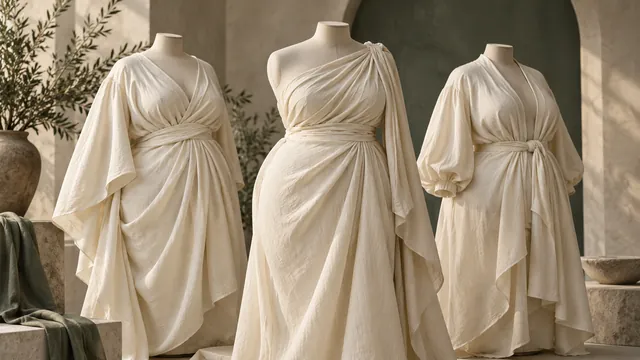
A crisp shirt and a fluid dress ask the material to behave differently. Write down the shape you want before screening fabrics by weight. A material can feel pleasing in a small swatch yet create excessive bulk at a gathered waist or fail to hold a structured collar.
The CottonWorks: textile learning hub learning hub provides background on fabric construction. Our buying framework goes further in a practical direction: compare candidate materials in the part of the garment where their behaviour matters most, rather than treating the specification sheet as a complete design answer.
Build a comparison that controls the obvious variables
Request comparable swatch sizes and identify composition, construction, finish, width and reported weight. Record whether the sample is a development article or a current production reference. If one swatch has been washed and another has not, the comparison should say so.
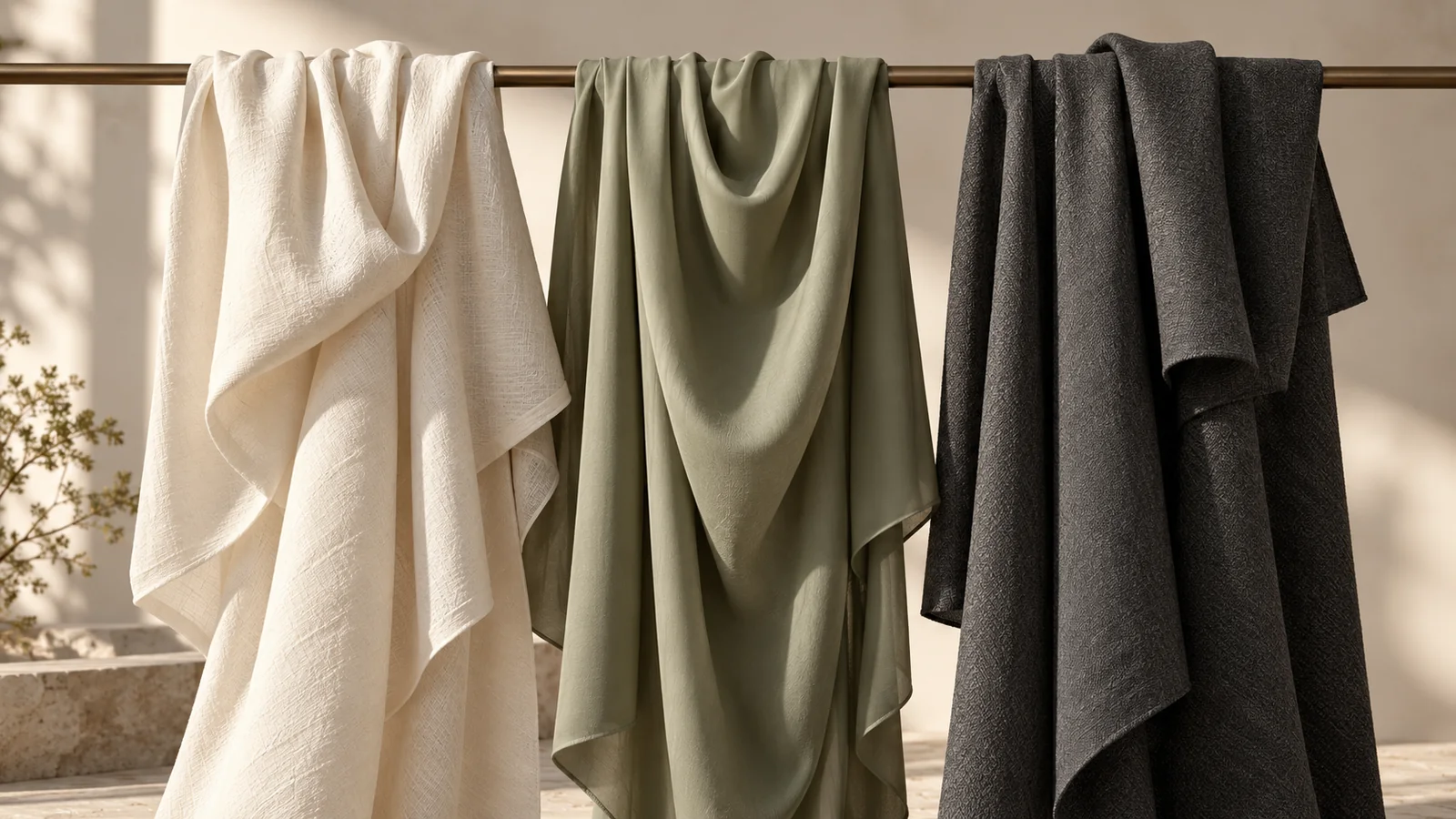
Hang a larger piece or request a simple assembly when evaluating fall and volume. Fold several layers to review the likely bulk at seams. This is a design screening exercise, not a standardized laboratory measurement; do not present subjective rankings as scientific results.
Think about the complete size range
A material must work in the selected silhouette across the intended range. Added panel area, longer unsupported sections or different seam placement can change the visual result. The right response is to review representative samples, not assume that the same photograph proves every size.
Avoid describing a body as needing concealment. Ask whether the garment delivers the chosen line, coverage and movement. A buyer can choose fluid or structured design language without claiming either is universally more flattering.
Understand the costing implications
Fabric buying may involve weight, length, usable width and minimum quantities. The quoted price per unit does not by itself reveal consumption per garment. Ask the supplier to explain the basis and the assumptions behind the consumption estimate, including cutting layout and any directional constraints.
A hypothetical heavier fabric that uses less lining is not automatically cheaper; extra sewing, usable width and waste can change the comparison. Compare the complete garment bill rather than one headline material price. Do not insert a universal waste percentage into every costing sheet.
Keep the approval tangible
Choose a retained physical reference with an identifier, not a description such as “soft premium fabric.” Record any acceptable variation and what requires another approval. A change in finish can matter even if nominal composition and GSM remain the same.
For a new collection, shortlist a small number of fabrics with distinct purposes. Ask for an actual sample in the intended garment before treating drape, coverage or hand as confirmed. This creates a more useful development discussion than requesting the heaviest fabric within a budget.
Compare material offers on the same basis
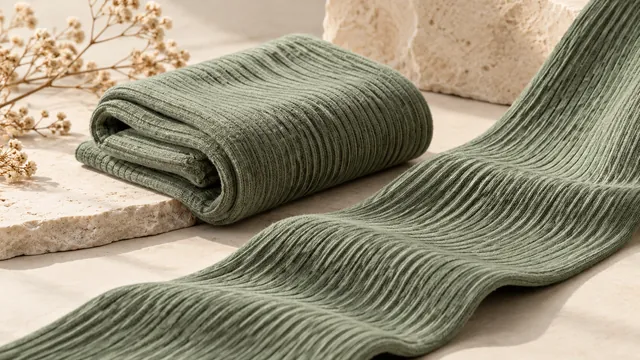
Put each material on a separate reference card with composition, construction, stated mass per area, usable width and supplier article code. Note whether those values are confirmed or provisional. A small swatch with a handwritten weight but no article reference is difficult to trace when the order reaches production.
Compare drape using similar sample dimensions and orientation. A narrow strip may fall differently from a broad panel, and a fabric cut in another direction may give a misleading impression. The purpose of an informal comparison is to identify questions for development, not to create a laboratory result. If the purchase specification requires a measured property, agree an appropriate method.
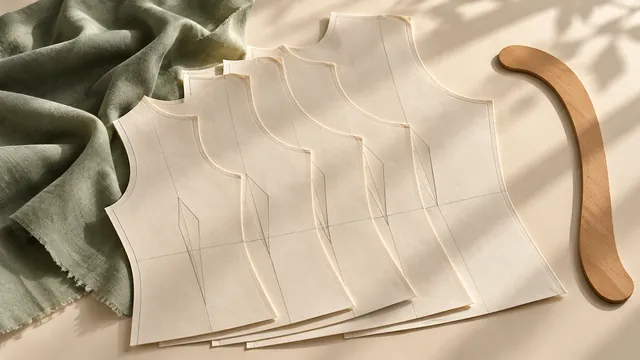
Consider the garment’s scale. A fabric that looks attractive in a small gathered swatch may create unwanted bulk when used across a full skirt or sleeve. Request a meaningful construction sample or complete garment when the silhouette depends heavily on drape. Keep the chosen material with the approved pattern revision because changing one may require reconsidering the other.
Evaluate total cost instead of choosing the lightest option
Imagine two hypothetical materials with similar quoted prices but different widths and handling requirements. Their cost per finished garment may differ because of cutting yield, seam construction, lining needs or rejection risk. Ask the supplier to explain the quotation basis rather than assuming the lower GSM creates the lower cost.
A more fluid fabric may support the intended silhouette but require different handling. A firmer material may simplify one construction while changing the wearer experience. These are trade-offs to discuss during sampling, not reasons to label either material universally superior. Record which priority drove the choice so later substitutions can be evaluated against it.
Finally, keep marketing language separate from the selection process. “Premium” is not a measurable substitute for composition, construction and approved performance. A buyer can describe the garment’s verified details and intended silhouette without claiming that a certain fabric weight guarantees quality. The best specification makes the selected relationship understandable to the next person who handles the order.
Decision checklist
| Property | Useful question | Cannot prove alone |
|---|---|---|
| GSM | What is the measured mass per area? | Quality or opacity |
| Drape | How does it fall in this silhouette? | Durability |
| Handle | How does the finished surface feel? | Composition |
| Usable width | What width enters the marker? | Final garment consumption |
Frequently asked questions
Can two 200 GSM fabrics look different?
Yes. Structure, fibre, finish and the garment construction can produce different results.
Is a heavy fabric more opaque?
It may be, but weight alone cannot establish coverage under actual wearing conditions.
Can I approve handle from a video?
A video can suggest movement, but physical assessment is needed for tactile decisions.
Why does usable width matter?
It affects how pattern pieces can be arranged and therefore the consumption calculation.
Sources & scope
- CottonWorks: textile learning hub
Construction terminology reference; purchasing recommendations are editorial analysis. Publication date not stated. Checked 23 October 2026.
Your next step
Review a material shortlist →For your collection, confirm the style’s size chart and specifications. S–8XL is an overall development range, not a US size conversion.
Browse styles · Development services